
Open a recruitment CRM that has been running for five years and run a simple test: how many of the companies in it still exist under the same name, at the same address, with the same contact person? Industry experience says roughly half. Every placement you miss because the record was stale never shows up in a report — but it shows up in your revenue.
Why recruitment data decays faster than other CRM data
Recruiters maintain two linked datasets that both move: companies and people. Companies merge, relocate, rename and dissolve; contacts change jobs every few years. Each change silently breaks a record, and a broken record does not complain — it just never converts again.
The fix is not a cleanup project. Cleanups are snapshots; decay resumes the next day. The fix is a standing connection between your CRM and a register-based company data source, so records are refreshed against filed facts rather than against someone's memory.
What enrichment looks like in practice
Match each CRM company to its register identity first — a stable identifier, not a name string. Names lie; identifiers do not. Once matched, refresh the fields that drive your work: legal name and trading names, address, sector codes, size band, status (active, in liquidation, dissolved) and officer changes.
Then push the signals that matter commercially into the CRM as tasks: a target client that just opened a new site, a contact's company that entered administration, a prospect whose headcount band jumped. Enrichment is not hygiene for its own sake — it is what turns a database back into a pipeline.
Measuring the effect
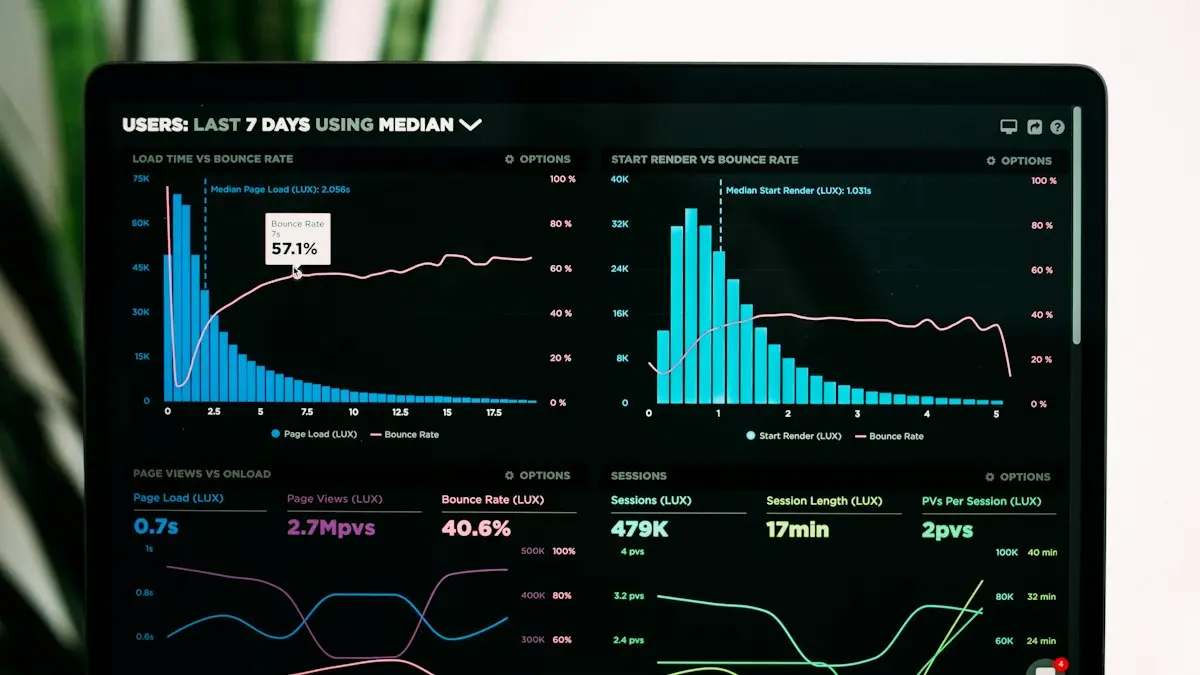
The metrics move visibly. Bounce rates on mailings drop, connect rates on call blocks rise, and 'account no longer exists' stops appearing in lost-deal reasons. Most teams also discover that a meaningful share of their 'dead' accounts were simply mislabelled live ones.
Drimble supplies company records with stable identifiers and the registration, status and officer fields this enrichment requires, across ten markets from the UK and Ireland to Canada and Australia. Company data for the Netherlands is not part of our coverage.
Frequently asked questions
How often should we refresh company records?
Active pipeline accounts monthly; the full database quarterly at minimum. High-volume events like officer changes and status changes are better consumed continuously via alerts or API than in batch.
Our CRM has thousands of duplicates. Where do we start?
Start with identifier matching against the register: it deduplicates as a side effect, because five name variants of one company all resolve to the same register identity. Then merge, and only then enrich.